
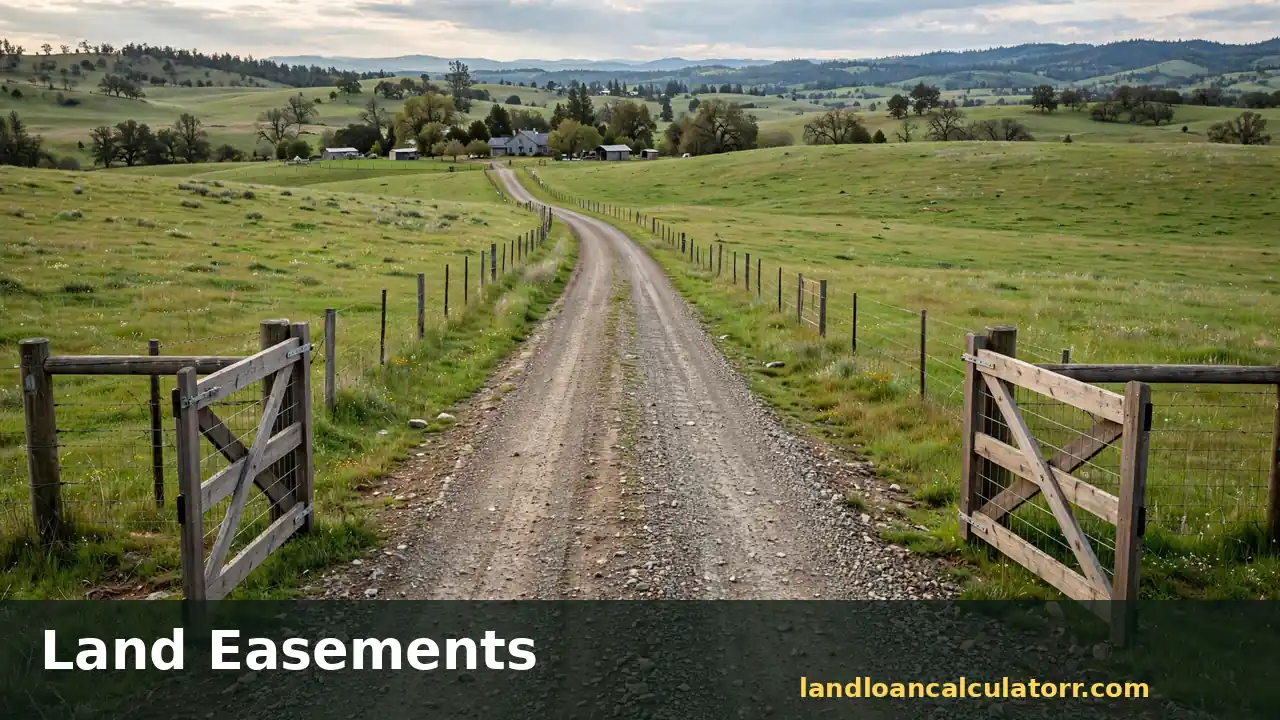
Land Easements: Types, Rights & What Buyers Must Know

An easement gives someone else a legal right to use part of your land for a specific purpose — a neighbor’s driveway, a power line, or a shared road. That is why land easements matter so much to buyers: the same right that lets you reach a landlocked parcel can also stop you from building a house exactly where you planned.
Most easements are not obvious when you first walk a property. A gravel track may look like a casual shortcut, and a line of poles may look like ordinary scenery. On paper, though, both can be recorded rights that survive a sale, bind future owners, and shape what a lender will finance.
This guide explains land easements in plain language: what they are, the main types you are likely to meet, how to find them before you buy, and how they affect value and borrowing. Read it before you make an offer, not after you have already fallen for the land.
What Is a Land Easement?
A land easement is a non-possessory interest in land. In simpler terms, the holder can use someone else’s land for a defined purpose, but does not own it and cannot take possession of it. The use must stay within the terms of the easement — a right to drive across a track is not a right to park on it, build on it, or widen it without permission.
Two parcels are often involved. The dominant parcel benefits from the easement, for example a home that needs a driveway across its neighbor. The servient parcel carries the burden, because its owner must allow that use. The same parcel can be dominant for one easement and servient for another.
Most easements run with the land. That means they are attached to the parcels themselves, not to the people who happened to own them when the easement was created. When the servient parcel is sold, the new owner usually takes it subject to the easement. When the dominant parcel is sold, the benefit usually passes to the new owner as well.
Easements normally appear in title work. A title commitment or preliminary title report should list recorded easements as exceptions to coverage, and the underlying documents describe where the easement sits and what it allows. That is one reason land title insurance matters: it helps you understand which recorded rights affect the parcel before you close, rather than discovering them when a neighbor or utility asserts them.
Common Types of Land Easements
Land easements come in several forms, and the label matters less than the actual right granted. Read the document, not just the category name, because two utility easements can allow very different work, widths, and restrictions.
Access and ingress-egress easements
An access easement gives the holder a right to enter, cross, or leave land, usually along a defined route. A driveway easement is the classic example: a neighbor may drive across the edge of your parcel to reach a home that has no direct road frontage. The route, width, and permitted vehicles should be clear. A narrow footpath is not the same as a right for trucks, deliveries, or emergency vehicles.
Utility easements
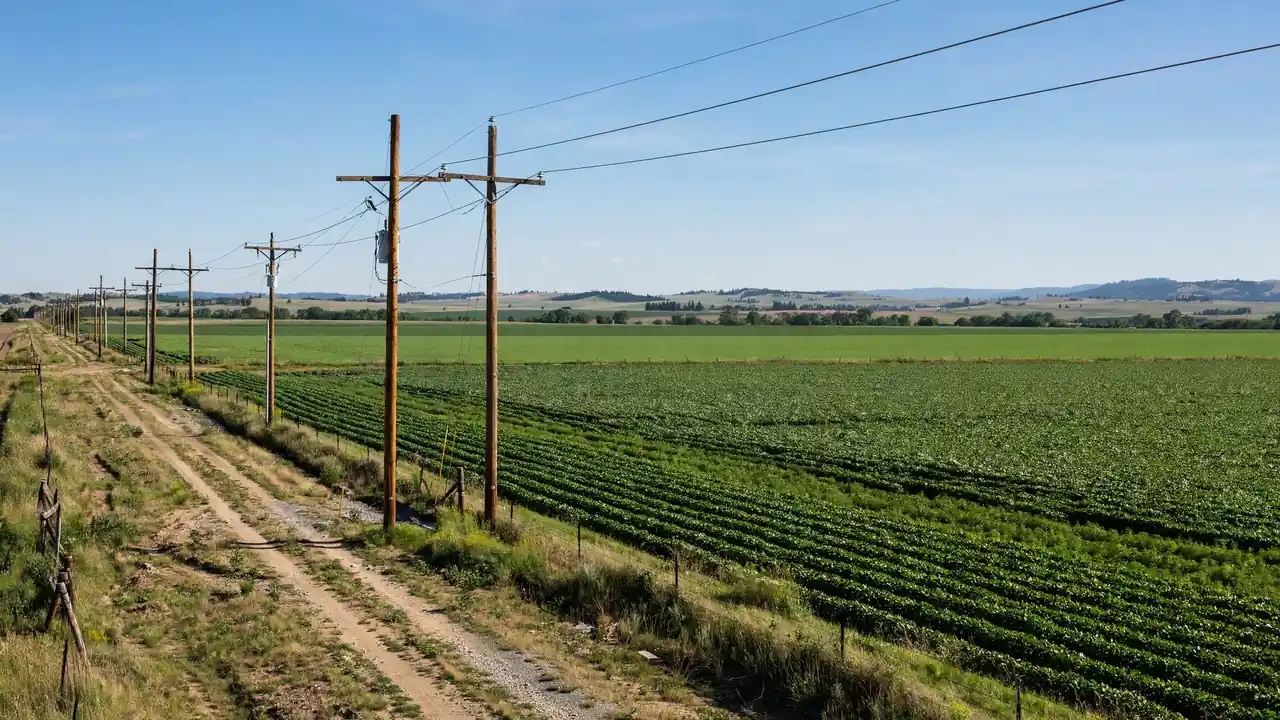
A utility easement allows a power, water, sewer, gas, telephone, or pipeline company to install, maintain, and repair lines or pipes across land. The holder may need to enter the corridor, clear vegetation, and dig for repairs. For a buyer, the key questions are where the corridor runs, how wide it is, and what building, planting, or grading is prohibited inside it.
Drainage easements
A drainage easement allows water to flow across land, or allows a ditch, swale, culvert, or stormwater system to be built and maintained there. Do not fill, dam, or build over a drainage route without written advice, because changing drainage can flood a neighbor, breach the easement, and create liability.
Conservation easements
A conservation easement restricts development to protect farmland, habitat, scenery, or open space. It is often held by a land trust or government body and can last permanently. The restrictions may limit subdivision, building size, or land use, even though the owner still owns and may farm or live on the land within those limits.
Shared road and private road maintenance easements
Many rural parcels share a private road. The easement gives each user a right to pass, and a separate agreement — or sometimes no agreement at all — governs grading, gravel, snow removal, and repair costs. Before buying, ask who maintains the road, how costs are shared, and what happens if one owner refuses to pay. A cheap parcel with an unmaintained road can become an expensive one.
Easement by necessity
An easement by necessity can arise when a parcel is landlocked and has no other reasonable access, often after a larger parcel was split. A court may recognize a right of access across neighboring land because the split itself created the need. The route, width, and conditions are not automatic, though, and disputes over them are common. Do not buy a landlocked parcel on the assumption that a court will grant the exact access you want.
The table below summarizes the main types at a glance. Always confirm the details in the recorded document for the specific parcel.
| Type | Typical holder | What it allows | Buyer watch-out |
|---|---|---|---|
| Access / ingress-egress | Neighbor | Crossing land to reach another parcel | Route, width, and vehicle limits |
| Utility | Utility or pipeline company | Lines, pipes, entry, and repairs | Building bans inside the corridor |
| Drainage | Neighbor, association, or authority | Water flow and drainage works | Do not block or alter the flow |
| Conservation | Land trust or government | Limits on development | Can be permanent |
| Shared road | Neighboring owners | Use of a private road | Maintenance and cost sharing |
| By necessity | Landlocked owner | Access created by a split | Route may need a court decision |
Easement vs. Right-of-Way vs. License
These three terms are often used loosely, but they are not interchangeable. The difference usually comes down to permanence, transferability, and whether the right can be revoked.
An easement is typically a lasting property interest. It is often recorded, it commonly runs with the land, and it cannot usually be ended just because the servient owner changes their mind. A right-of-way is a type of easement, not a separate category: it is an easement that specifically allows passage over land, such as a road, path, or driveway.
A license, by contrast, is permission to use land that is personal and generally revocable. A neighbor who says, “You can cut across my field this summer,” has likely given a license, not an easement. It usually does not transfer to a buyer and can often be withdrawn. That distinction is critical: a license that feels permanent in practice may disappear when the land is sold.
| Feature | Easement | Right-of-way | License |
|---|---|---|---|
| Nature | Property interest | A type of easement for passage | Personal permission |
| Permanence | Often long-term or permanent | Often long-term | Usually temporary |
| Transfers with sale | Often yes | Often yes | Usually no |
| Revocable at will | Usually no | Usually no | Often yes |
How to Find Easements on Land You’re Buying
Finding land easements takes more than one check. Records can miss an unrecorded claim, and a walk of the land can miss a recorded corridor that is not yet built. Use every method below, and keep copies of what you find.
1. Review the title commitment carefully
Start with Schedule B of the title commitment, which lists exceptions — the recorded matters the title policy will not cover. Easements often appear there by book and page, or by instrument number. Get copies of the underlying easement documents, not just the summary line, and read them for location, width, purpose, and any restrictions on building or planting.
2. Get a survey and read it against the easements
A survey should show boundaries, improvements, and visible easements, and it can reveal whether a driveway, line, or ditch sits where the documents say it does. Ask the surveyor to flag any easement that crosses a planned house site, driveway, septic area, or well. The cost is worth comparing with the cost of moving a house later; see our guide to land survey cost for what to expect.
3. Search county records
Search the county recorder or clerk’s records for the parcel and for neighboring parcels, because an easement benefiting a neighbor may be recorded in that neighbor’s chain of title. Look for deeds, plats, road dedications, utility grants, and subdivision documents. Plats in particular often show access, drainage, and utility easements along lot lines.
4. Walk the land and look for evidence
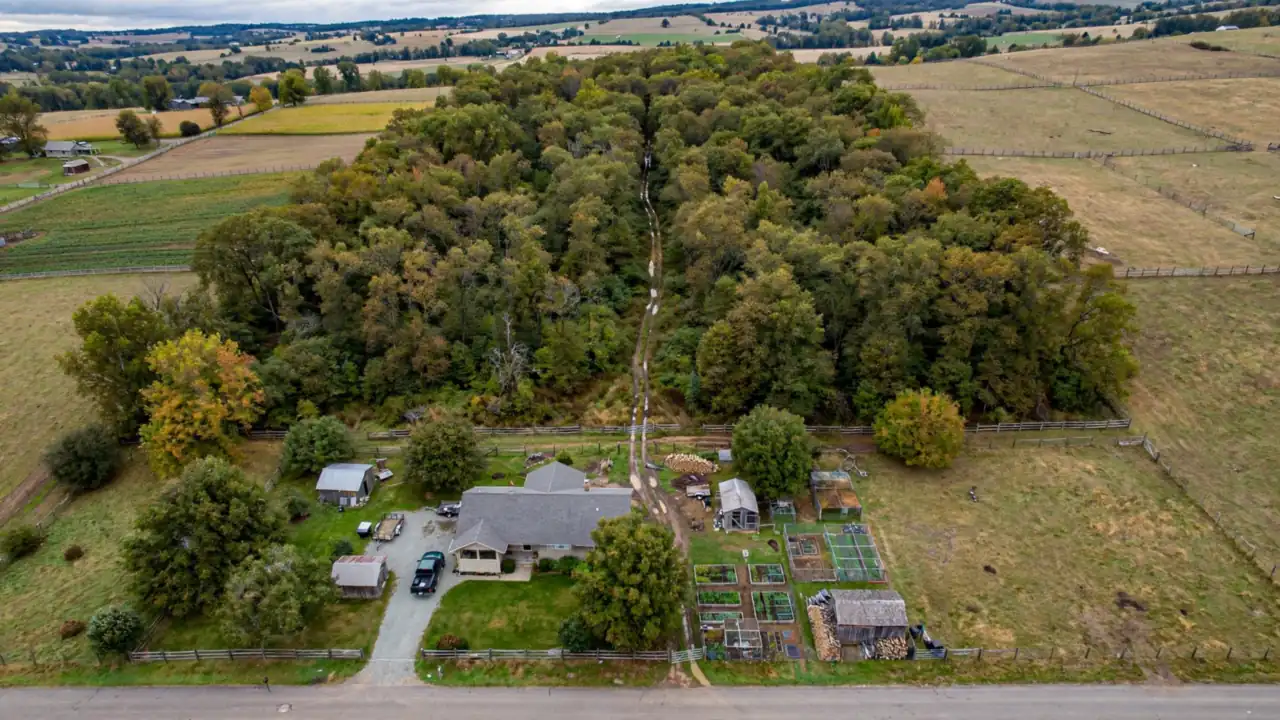
Walk the full parcel, not just the road frontage. Look for worn paths, gravel tracks, gates, fences with gaps, power poles, transformers, manholes, valve markers, pipeline signs, ditches, and culverts. Photograph each feature with its location, and ask whether it matches a recorded easement or suggests an unrecorded one.
5. Ask the seller in writing
Ask the seller, in writing, about every known easement, license, shared road, utility agreement, and informal access arrangement — including any that were never recorded. A written answer creates a record you can rely on, and it can reveal arrangements the title search missed. For a fuller pre-purchase routine, work through our land due diligence checklist alongside this easement check.
For a broader legal overview of how easements are defined and classified, see Cornell Law Institute’s explainer on easements. It is a useful second source, but it does not replace the recorded documents for your parcel or advice from a local real estate attorney.
How Easements Affect Value and Your Land Loan
An easement does not automatically lower value, but its location and terms can. A wide utility corridor through the only flat, buildable part of a parcel can shrink the usable area, force a house to a less desirable spot, or rule out a septic system or driveway. Buyers discount that loss of flexibility, and so do appraisers.
An access easement can work the other way. For a landlocked parcel, a clear, recorded, and practical access easement can be the very thing that makes the land usable — and therefore financeable. Without legal access, many lenders will not lend at all, because the parcel cannot reliably be reached, serviced, or resold. With it, the parcel becomes a normal, if rural, purchase.
Lenders and appraisers document easements because they affect collateral. Expect the appraisal to note easements, the buildable area, and any restriction on use. A vacant land appraisal that ignores a corridor through the building envelope would be incomplete, so bring your title commitment, survey, and easement documents to the appraiser rather than leaving them to chance.
Zoning interacts with easements too. Even if an easement allows access, the parcel must still meet the rules for its district, including minimum lot size, frontage, and setbacks. Our guide to land zoning explains how those rules shape what you can build, and why a parcel’s legal access and its zoning need to be checked together.
Can an Easement Be Removed or Changed?
Sometimes, but rarely by one owner acting alone. An easement may expire if it was granted for a fixed term, or if a stated condition is met. The holder may sign a written release, for example if a utility line is relocated or a road is replaced by a public street. In some cases, the dominant and servient parcels come under the same ownership, which can extinguish the easement through merger. Long, clear abandonment may also end an easement, but mere non-use for a few years is usually not enough.
Changing an easement — moving its route, narrowing it, or changing its permitted use — normally requires agreement from the holder, recorded in writing. A verbal promise from a neighbor is not a substitute for a recorded amendment, and a new buyer will not be bound by an informal deal they never signed.
Never remove or block an easement unilaterally. Fencing off a neighbor’s driveway, building over a utility corridor, or filling a drainage ditch can lead to a court order to remove the obstruction, damages, and legal costs. If an easement is unused, unclear, or in the wrong place, see a real estate attorney in the state where the land sits before you act. Easement law varies by state, and a local attorney can check the documents, the history, and the available options.
Estimate and Plan
Fold easements into your checks before you apply for a loan: title, survey, county records, a walk of the land, and written questions to the seller. Once you know the usable area, the access, and the restrictions, you can judge the parcel on its real merits. Then estimate your payment with our land loan calculator and compare the monthly cost against the land’s price, its buildable area, and any road or utility work it needs.
Land Easements FAQs
What is an easement in simple terms?
An easement is a legal right to use part of someone else’s land for a specific purpose, such as a driveway or a power line. The user does not own the land, and the use must stay within the easement’s terms.
Do easements transfer to a new owner?
Most recorded easements run with the land, so they transfer to the new owner when either the dominant or the servient parcel is sold. Always confirm this in the easement document and the title commitment.
Can I build on an easement on my land?
Usually not within the easement area, especially for utility, drainage, and access corridors. Building there can block the holder’s use and may have to be removed, so check the easement terms and get advice first.
How do I find out if land has an easement?
Review the title commitment, get a survey, search county records, walk the land for tracks, poles, and ditches, and ask the seller in writing. Using all five checks together gives the most reliable picture.
What is an easement by necessity?
It is an access right that can arise when a parcel becomes landlocked, often after a larger parcel is split. A court may recognize the right, but the route and conditions are not automatic and can be disputed.
Does an easement lower land value?
It can, if it reduces the buildable area or limits the use of the best part of the parcel. An access easement can also add value by making a landlocked parcel usable and financeable.
Can a landowner block an easement?
No — not unilaterally. Blocking a valid easement can lead to a court order to remove the obstruction, plus damages and legal costs. If the easement is disputed, seek legal advice before acting.
Who maintains a shared driveway easement?
It depends on the easement and any road agreement. Costs are often shared among the users, but if no agreement exists, maintenance can become a dispute — so ask who pays before you buy.
By Jameel Noori, Founder & Developer, Land Loan Calculator
About the author: Jameel Noori is the Founder & Developer of Land Loan Calculator. He writes practical, U.S.-focused guides on land financing, loan math, and buyer strategy.
Reviewed by: Jameel Noori, Founder & Lead Developer of Land Loan Calculator, reviewed this article for accuracy.
Disclaimer: This article is for informational purposes only and is not financial advice. Land loan rates and terms vary by lender, property, and market conditions. Consult a licensed loan professional before making financing decisions.
