
Land Flipping: How to Flip Land for Profit

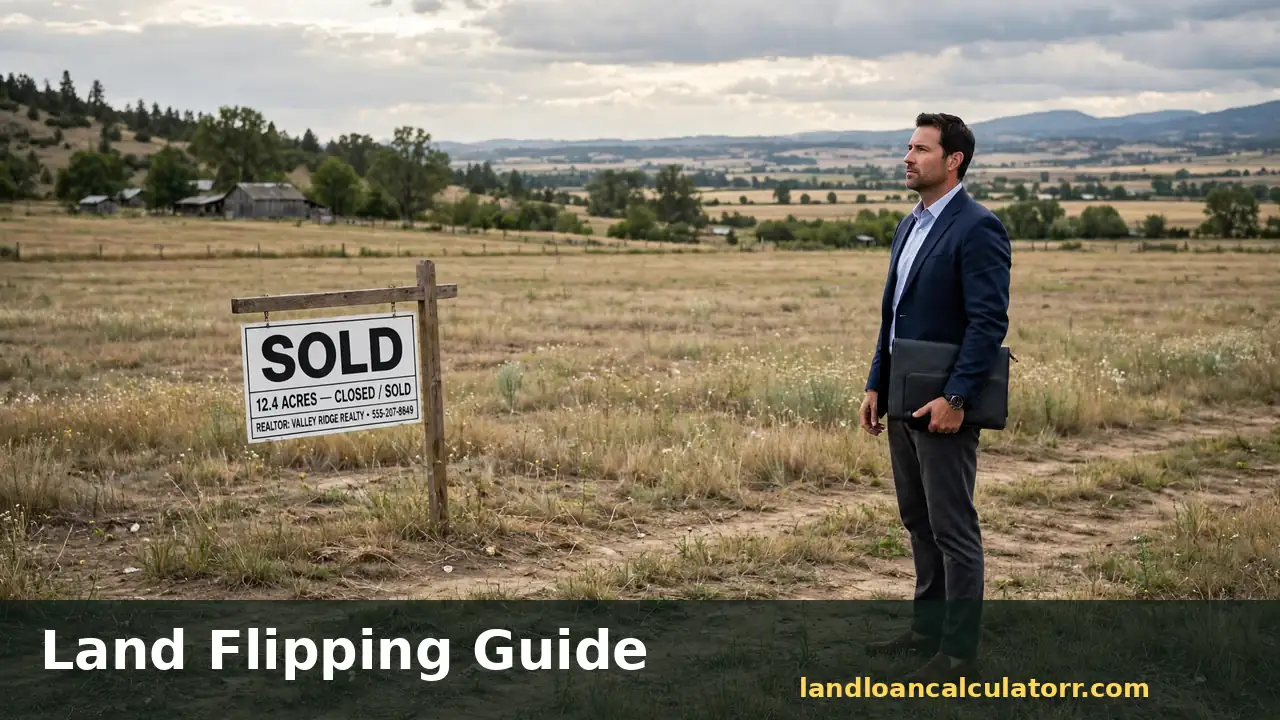
Land flipping means buying vacant land below market value and reselling it for a profit. There are no buildings to renovate, no tenants to manage, and no kitchen or bathroom remodels to oversee. Instead, the profit is made at purchase, through careful research, disciplined pricing, and practical value-adds — not luck.
That simple definition hides a lot of work. A successful land flip depends on knowing what a parcel is really worth, what a buyer can do with it, and what could stop a sale. A lot that looks cheap may be cheap for a reason: no legal access, poor drainage, unclear title, or zoning that blocks the use a buyer wants.
This guide explains land flipping in plain terms. You will learn how the process works step by step, where flippers find undervalued parcels, which improvements tend to raise a parcel’s price, how to work out the costs and financing, and which risks can turn a promising deal into a loss. It is written for beginners who want a realistic picture, not a promise of easy money.
How Land Flipping Works, Step by Step
Land flipping follows the same basic sequence whether the parcel is a small residential lot or several acres in a rural county. The steps below are the ones experienced flippers rarely skip, even when a deal looks straightforward.
First, find undervalued parcels. That usually means looking where other buyers are not looking, or where a seller has a reason to sell quickly. The goal is not simply to find cheap land. It is to find land whose current price is below what a well-informed buyer would pay once the parcel’s condition, access, and permitted uses are clear.
Second, verify title, zoning, and access before you commit. Check who owns the land, whether there are liens or disputes, what the zoning allows, and how a buyer would legally reach the property. A parcel with a clean title, clear boundaries, and legal road access is far easier to resell than one with unanswered questions.
Third, buy right. Your purchase price should leave room for closing costs, holding costs, any improvement work, selling costs, and a margin for the unexpected. If the numbers only work when everything goes perfectly, the deal is too tight. Patient flippers walk away from more deals than they buy.
Fourth, add value where it matters. Not every improvement pays for itself. A survey that confirms boundaries, a perc test that shows the land can support a septic system, cleared brush, or a usable driveway can each remove a doubt that would otherwise push a buyer to offer less or walk away.
Finally, list and sell with clear information. Good photos, an accurate description, survey documents, and honest notes about utilities, access, and restrictions help buyers feel confident. Confidence matters because land buyers cannot walk through a house; they are buying the parcel itself and what can be done with it.
Typical holding periods vary widely. Some lots sell in weeks when they are priced well and ready for a builder. Others take months, especially in rural areas, during slow seasons, or when a parcel needs a survey, a perc test, or a zoning confirmation before a buyer will proceed. Holding time is a real cost, not just a delay, because taxes, insurance, and any loan payments continue while the land is for sale.
Where Flippers Find Undervalued Land
Undervalued land rarely appears on the first page of a popular listing site at an obvious discount. It usually comes from patient searching, local knowledge, and a willingness to do homework that other buyers skip. The sources below are the ones flippers use most often, and each has a different trade-off.
Tax-delinquent lists are a common starting point. When owners fall behind on property taxes, counties publish lists or hold sales, and some owners are willing to sell before a tax sale rather than lose the property. These parcels need extra care: tax history, liens, and redemption rules vary by county and state, and a low tax bill does not by itself make a parcel a good flip.
Estate sales can also produce motivated sellers. Heirs may live far away, may not want to manage rural land, or may prefer a quick, clean sale to holding an unfamiliar property. In those cases, clear title work and patience with probate or estate paperwork matter as much as price.
MLS leftovers are parcels that have sat on the market, had a price reduction, or failed to sell for a fixable reason. Sometimes the reason is simply poor photos, a vague description, or no survey on file. If you can identify the obstacle and remove it, a stale listing can become a reasonable purchase.
Direct mail to absentee owners is a slower, steadier approach. Flippers send short, honest letters to owners who do not live on or near their land, offering to buy. Response rates are low, so this method works best as a long-term system, not a one-time mailing. Every reply still needs the same title, zoning, and access checks as any other deal.
County auctions are another route, and they reward preparation. Auction terms, deposits, and timelines can be strict, and some sales are final with limited time for inspection. If you are considering this route, read our guide to buying land at auction before you bid, and confirm the rules for the specific county holding the sale.
Value-Adds That Raise a Parcel’s Price
Value-adds work when they answer a buyer’s question or remove a reason to discount the price. The most useful improvements are usually information and access, not cosmetic changes. A buyer who understands the land, its boundaries, and its permitted uses can bid with confidence.
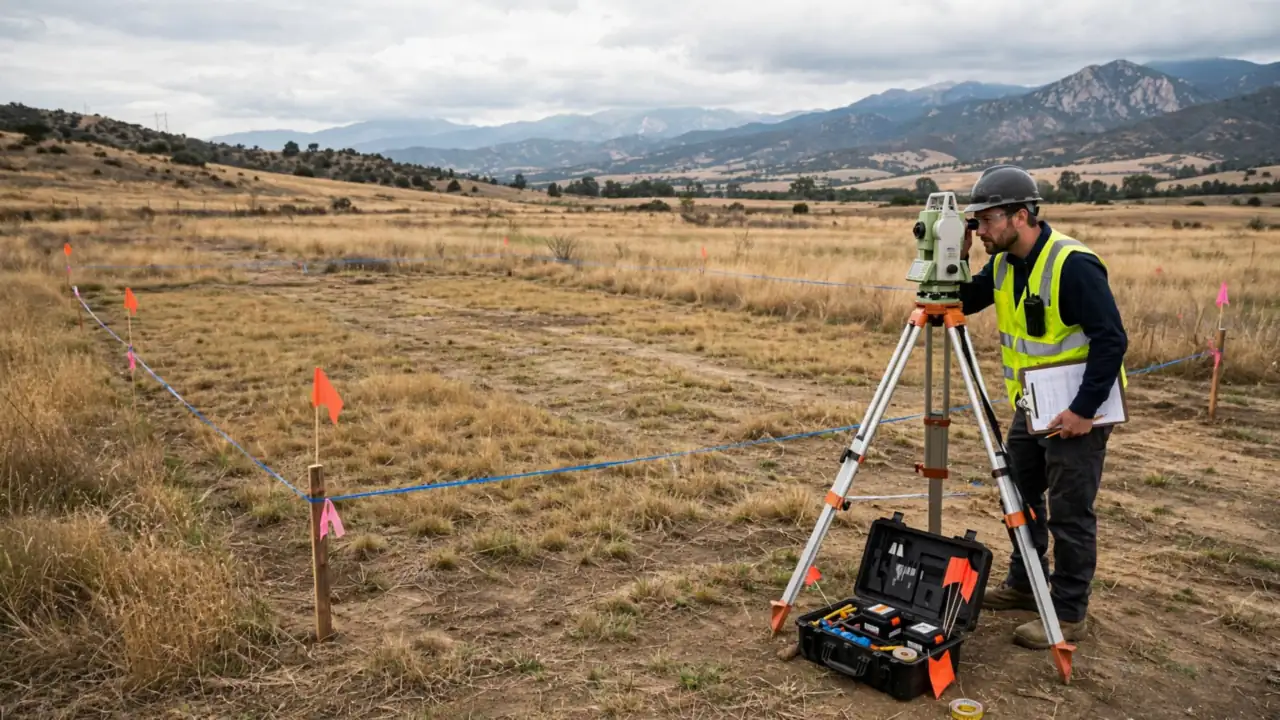
A survey is often the first step. It confirms the parcel’s boundaries, size, and shape, and it can reveal encroachments or overlaps with a neighbor’s land. For a flipper, a current survey is both a selling document and a risk check. It is much easier to sell a parcel when the buyer does not have to wonder where it begins and ends.
A perc test, where required, shows whether the soil can absorb water from a septic system. In areas without public sewer, a passing perc test can be the difference between a buildable lot and a parcel that only a cash buyer with other plans will consider. If a test fails, that information still matters: it changes the price, the buyer pool, and the marketing.
Clearing is another common value-add, but it should be done with restraint. Removing brush, dead trees, and overgrowth can reveal views, show the usable area, and make a lot photograph well. Heavy clearing, grading, or tree removal, on the other hand, can cost more than it returns and may require permits. A good rule is to clear enough to show the land clearly, and to check local rules before removing mature trees.
Driveway access is easy to overlook and hard to sell without. A defined entrance, a gravel drive, or a culvert where one is needed tells a buyer they can reach the building site. If access depends on an easement across another property, get that easement in writing and make sure it is recorded. Verbal access is not a selling point.
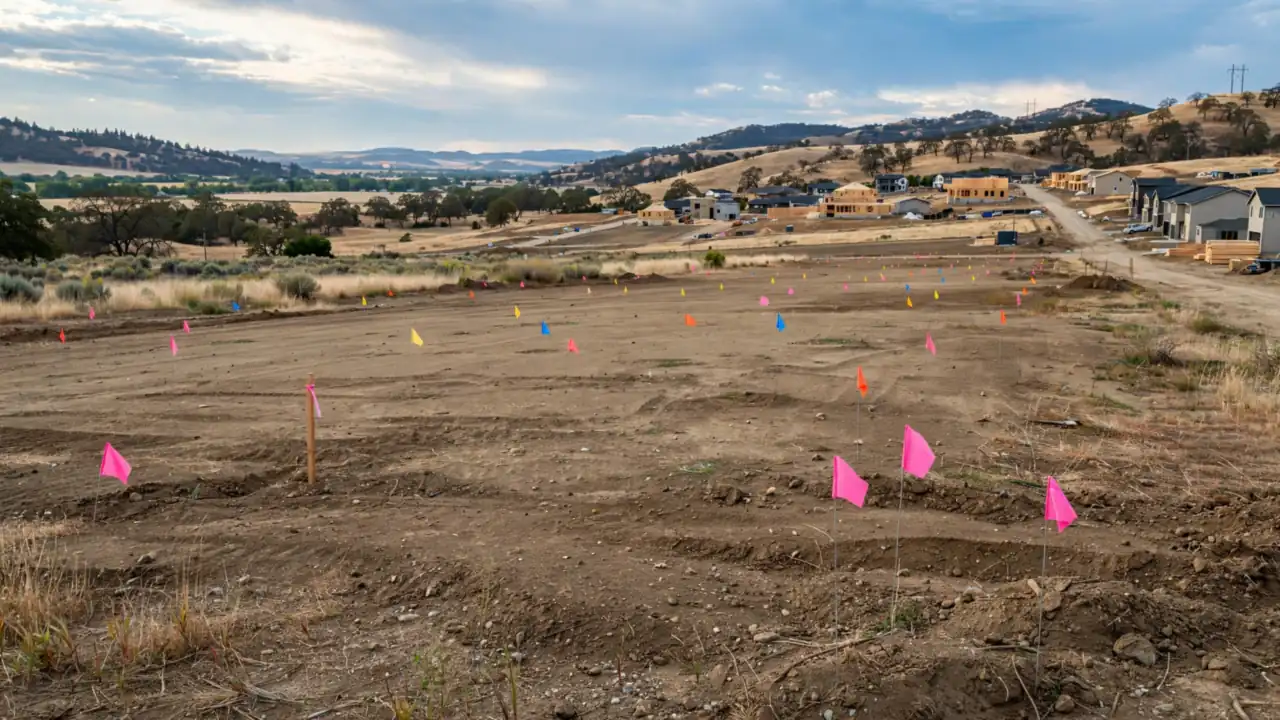
Subdividing can raise total value, but only where it is allowed. Some parcels can be split into two or more buildable lots, each of which may sell for a useful price. This route needs a careful check of zoning, minimum lot size, road frontage, and utility rules, and it usually involves survey and county approval costs. Never market a split before the local authority has confirmed it is possible.
Finally, professional photos and listing copy do more than make a listing look nice. Wide, well-lit photos, a clear boundary outline where possible, and a description that states lot size, access, utilities, zoning, and nearby amenities help a buyer picture the property. If clearing costs are part of your plan, use our land clearing cost calculator to estimate that work before you commit to it.
The Numbers: Costs, Financing and Profit Math
Land flipping profit is not the difference between the purchase price and the sale price alone. It is what remains after every cost in between. Writing those costs down before you buy is what separates a calculated flip from a guess.
Start with the purchase price, then add closing costs. These can include title work, recording fees, and any transfer taxes or attorney fees that apply in your state. Ask for a clear estimate before closing so a small purchase does not carry a surprisingly large closing bill.
Next, estimate holding costs for the full time you expect to own the land. Property taxes are usually the largest holding cost, and they continue whether the land sells quickly or sits for months. Insurance, any association dues, and basic upkeep such as mowing or brush control should also be included. A longer hold does not just delay profit; it reduces it.
Then add your value-add spend, with a buffer. A survey, a perc test, clearing, and driveway work each have a price, and each can uncover extra work. Get quotes where you can, and keep a contingency for the items you cannot quote in advance. If you are unsure about clearing costs, run the numbers through a land clearing cost calculator as a starting point, then confirm with a local contractor.
Finally, subtract selling costs. These can include agent commissions if you use one, closing costs on the sale side, and any concessions you offer to a buyer. The simple formula is: sale price minus purchase price, closing costs, holding costs, value-add spend, and selling costs. If that result is not positive with a comfortable margin, the deal needs a lower purchase price or a different plan.
Financing a flip can be done with cash, hard money or private money, or a land loan, and each option changes the math. Cash is the simplest and avoids loan payments during the hold, but it ties up your capital. Hard money and private money can close quickly, yet they often carry higher interest and shorter terms, so the holding period matters even more. A land loan from a traditional lender may have lower interest but stricter requirements for the parcel, the borrower, and the down payment.
Whichever route you consider, compare the monthly cost, the total interest over your expected hold, and any fees or prepayment terms. To model a land loan at a general level, use our land loan calculator to see how price, down payment, rate, and term affect the monthly payment, and then add that payment to your holding-cost estimate.
Risks and Mistakes That Kill Land Flips
The most expensive land-flip mistakes are usually made before the purchase, when a buyer skips a check that would have revealed a problem. Landlocked parcels are a classic example. A lot with no legal road access and no recorded easement can be very hard to sell, even at a low price, because a buyer cannot reliably reach it or build on it.
Wetlands and flood zones are another risk. A parcel in or near a wetland may face building restrictions, extra permits, or a smaller usable area than its total acreage suggests. Flood-zone status can affect insurance, financing, and a future buyer’s willingness to proceed. Check flood maps and local environmental rules early, not after you own the land.
Title problems can also stop a flip. Unpaid liens, unresolved inheritance claims, boundary disputes, and errors in old deeds all take time and money to fix. A title search before purchase is not an optional extra; it is the step that confirms you are buying what you think you are buying. Our land due diligence checklist covers these checks in more detail.
Overpaying is the simplest mistake, and often the hardest to recover from. Once you have paid too much, no amount of good marketing can create a margin that was never there. Ignoring holding time has a similar effect: taxes and loan payments quietly eat into profit while a parcel waits for the right buyer.
Taxes also deserve attention. In general, profits on land flips are taxable, and the tax treatment can depend on how often you flip, how long you hold the land, and your overall tax situation. This article does not give tax rates or thresholds, and you should speak with a qualified tax professional about your own circumstances before you rely on any tax assumption in your numbers.
For a wider view of comparable listings and land prices in an area, you can also browse land for sale on Realtor.com, which lists vacant land across the United States.
FAQs
Is land flipping profitable?
It can be, when land is bought below market value and all costs are counted. Profit is never guaranteed.
How much money do I need to start flipping land?
It depends on local prices, closing costs, and holding costs. Start with a full budget, not just the purchase price.
How long does it take to flip land?
It varies. Some lots sell in weeks; others take months, especially in rural or slow markets.
Do I need a real estate license to flip land?
Not usually to buy and sell your own land, but rules vary by state. Check local rules first.
What is the best type of land to flip?
Buildable lots with legal access, clear title, and confirmed zoning tend to attract the widest buyer pool.
Can I flip land with a loan?
Yes, with cash, private or hard money, or a land loan. Include loan payments in your holding costs.
What taxes do I pay on a land flip?
Profits are generally taxable, and treatment depends on your situation. Consult a tax professional.
What is the biggest risk in land flipping?
Overpaying for a parcel with access, title, or zoning problems that limit what a buyer can do.
By Jameel Noori, Founder & Developer, Land Loan Calculator
About the author: Jameel Noori is the Founder & Developer of Land Loan Calculator. He writes practical, U.S.-focused guides on land financing, loan math, and buyer strategy.
Reviewed by: Jameel Noori, Founder & Lead Developer of Land Loan Calculator, reviewed this article for accuracy.
Disclaimer: This article is for informational purposes only and is not financial advice. Land loan rates and terms vary by lender, property, and market conditions. Consult a licensed loan professional before making financing decisions.
