

Fence Cost Calculator: Estimate Land Fencing Costs

Fencing is usually the first improvement land buyers budget for, and this fence cost calculator helps you price it before you buy or build. Whether you need livestock containment, a clear boundary line, or added security, your total depends on the fence type, the length of the run, the terrain, and the gates and removal work involved.
Costs swing widely — from about $2 per foot for a basic electric fence to about $45 per foot for aluminum — so a rough guess can leave you thousands out. Enter your fence length and options below to see a per-foot and total estimate, including how many posts you will need and what financing could cost each month. Use the result to compare fence types side by side and to budget realistically for your land purchase or improvement project.
Fence Cost Calculator
Estimate Your Land Fencing Cost
Tip: one acre (square) has about 835 ft of perimeter; fencing 5 acres takes roughly 1,870 ft.
Estimated Total Fence Cost
$12,350
$6.17 per ft · Est. payment $115/mo if financed
Fencing Cost
$12,000
Gates
$350
Removal
$0
Estimated Posts Needed (8 ft spacing)
251
Loan Amount
$9,263
Total Interest
$4,519
Estimates use typical U.S. installed cost ranges per linear foot. Actual quotes vary with terrain, access, local labor rates and material prices. Get local fencing contractor quotes before budgeting.
How to Use This Fence Cost Calculator
Using this fence cost calculator takes only a few steps:
- Measure or estimate your fence length. As a perimeter guide, a square acre is about 835 feet around, so fencing 5 acres takes roughly 1,870 feet.
- Pick the fence type that fits your land, livestock and budget.
- Adjust for terrain, since hilly, wooded or rocky ground raises installed costs.
- Add gates and any old-fence removal you need.
- Review the per-foot and total cost, plus the financing estimate, before you request contractor quotes.
Fence Costs by Type (Per Linear Foot)
Typical installed costs vary by material, height, posts and local labor. Use these honest ranges as a planning starting point, then confirm with local quotes: Keep this fence cost calculator handy when you compare quotes, so you can check whether a contractor's per-foot price sits inside these ranges.
- Electric fence: about $1–$3 per linear foot
- Barbed wire: about $3–$6 per linear foot
- Woven wire / field fence: about $4–$8 per linear foot
- Split rail: about $10–$18 per linear foot
- Chain link: about $12–$25 per linear foot
- Wood privacy: about $15–$35 per linear foot
- Vinyl: about $25–$45 per linear foot
- Aluminum: about $30–$60 per linear foot
Electric and barbed wire fences are the most affordable for large acreage, while wood, vinyl and aluminum cost more because of materials, posts and labor. The calculator above uses a single representative installed rate within each range, so your contractor quote may sit higher or lower.

What Affects the Cost of Fencing Land?
Several factors move a fence quote well above or below the per-foot averages in this fence cost calculator: When you rerun this fence cost calculator with different terrain settings, you will see how much that adjustment changes the total.
- Length and terrain. Longer runs spread fixed costs, but slopes, rock, trees and wet ground add labor and equipment time.
- Clearing the fence line. Brush, trees and old debris must be cleared before posts go in, and disposal can add cost.
- Post spacing and corner bracing. Closer posts and strong corner and gate bracing cost more up front but keep the fence straight and durable, especially for livestock.
- Gates. Each gate adds hardware, bracing and labor — wide equipment gates cost more than a simple walk-through gate.
- Local labor rates. Contractor rates, material delivery and access to the site vary by region and by how remote the land is.
Fencing for Farms and Ranches
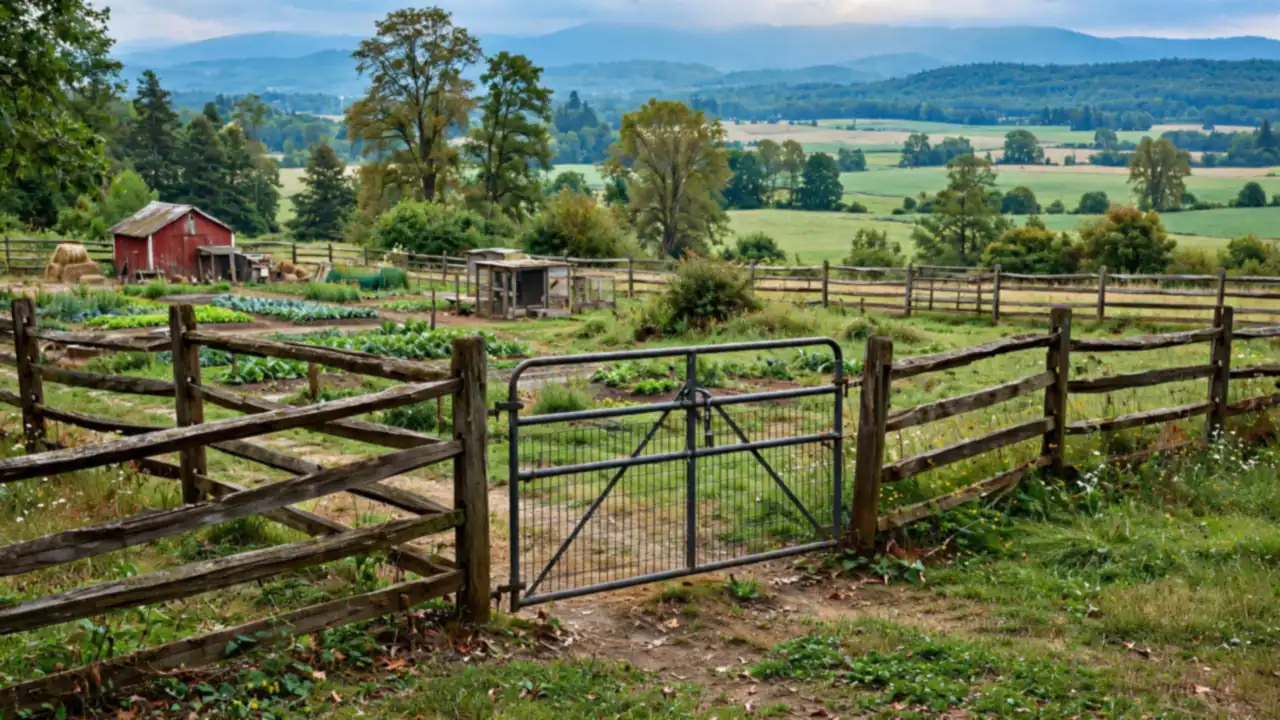
For farms and ranches, the right fence depends on the animals it must contain. Woven wire and barbed wire are common choices for cattle, because they are strong, affordable over long runs, and proven for boundary and pasture fencing. Electric fence is often used for rotational grazing, where temporary or movable lines let you rest pastures and control grazing more precisely. For a quick check, run your acreage through this fence cost calculator before you talk to a fencing contractor.
Before you build, also think about the wider cost of improving raw land. A land development cost calculator can help you budget for clearing, access, utilities and other site work alongside fencing. If you are buying the land itself, a land loan calculator can estimate your monthly payment and total borrowing cost.
Finally, check fence-out and fence-in rules in your state at a very high level: in some states livestock owners must fence animals in, while in others landowners may need to fence animals out, and the details differ by state. Rules differ by state, so check local law and talk to a local attorney or extension office before you build. For general farm fencing guidance, see the U.S. Department of Agriculture.
Fence Cost Calculator FAQs
How much does it cost to fence 5 acres?
Fencing 5 acres takes roughly 1,870 feet of fence for a square parcel. At $6 per foot for woven wire, that is about $11,220 for fencing alone, plus gates and any removal. At $4 per foot for barbed wire, fencing alone is about $7,480, while wood privacy at $25 per foot would be about $46,750. Use the fence cost calculator above with your actual length for a closer estimate.
What is the cheapest fence for land?
Electric fence is usually the cheapest, at about $1–$3 per linear foot installed, followed by barbed wire at about $3–$6 per foot. Both suit large acreage and livestock, but they offer less privacy and security than wood, vinyl or aluminum fences.
How many feet of fence do I need per acre?
A square acre needs about 835 feet of fence. The total grows with the square root of the area, so 5 square acres need roughly 1,870 feet and 10 square acres need roughly 2,640 feet. Irregular shapes, shared boundaries and partial fencing change the total, so measure your actual boundary where possible.
Does terrain affect fencing cost?
Yes. Flat, clear ground is the cheapest to fence. Hilly or wooded ground typically adds about 15%, and rocky or difficult ground can add about 30% or more, because of slower post setting, clearing and equipment work. The calculator above lets you apply those terrain adjustments.
Can I finance a fence for my land?
Often, yes. A fence may be financed as part of a land loan, a home improvement loan, or a separate personal loan, depending on the lender and the property. The calculator estimates a loan amount and monthly payment from your down payment, rate and term, but approval, rates and terms vary by lender, so get a written quote before you commit.
How long does a woven wire fence last?
A well-built woven wire fence often lasts 20 to 30 years, depending on wire quality, post material, soil, moisture and maintenance. Galvanized wire, treated posts, tight bracing and regular repairs for sagging or rust help it reach the longer end of that range.
Do I need a permit to build a fence on rural land?
It depends on your county and location. Many rural areas do not require a permit for an agricultural fence, but setbacks, height limits, road frontage rules and homeowner association rules can still apply. Check with your county planning or building office before you build.
Should I fence before or after buying land?
Usually after buying, so you own the land and know the surveyed boundaries, easements and setbacks. Before you buy, walk the boundaries, note any existing fence condition, and budget for fencing in your total land cost so it does not come as a surprise after closing.
By Jameel Noori, Founder & Developer, Land Loan Calculator
About the author: Jameel Noori is the Founder & Developer of Land Loan Calculator. He writes practical, U.S.-focused guides on land financing, loan math, and buyer strategy.
Reviewed by: Jameel Noori, Founder & Lead Developer of Land Loan Calculator, reviewed this article for accuracy.
Disclaimer: This article is for informational purposes only and is not financial advice. Land loan rates and terms vary by lender, property, and market conditions. Consult a licensed loan professional before making financing decisions.